

WAREHOUSING & STORAGE
Store with the next move in mind.
Storage may sit between inbound and outbound movement. Signal can coordinate receiving requirements, a requested hold, facility and service needs, release conditions, and onward delivery as one connected program.Prepare storage requirements
01 / INBOUNDRECEIVINGMaterialReceivingHandling
02 / STORAGE + HOLDACTIVE HOLDSTORAGE REVIEW
DurationEnvironmentHandling
REVIEWED PATTERNCROSS-DOCKSHORT-TERMLONGER-TERM
RELEASE REVIEWReviewed, not automaticRelease conditionNext destination
03 / RELEASE + OUTBOUNDNEXT MOVEMENTDestinationReceiving context
01 / STORAGE PATTERN
Not every stored shipment is meant to stay.
Some material passes through quickly. Other material needs a planned hold. Choose the movement or dwell pattern that best reflects what happens next.
INBOUNDRECEIVED
Defined near-term hold
OUTBOUNDNEXT MOVE02 / Short-term storage
Held for schedule alignment, project timing, consolidation, receiving timing, or temporary staging.
Pattern and facility fit are reviewed for the request.02 / MATERIAL + HANDLING
Plan the space around what is being stored.
Storage requirements depend on more than duration. Palletized freight, loose cartons, oversized material, furniture, appliances, and other bulky items can require different space, access, and handling. Signal reviews the material profile with the requested storage pattern so the facility and service scope can be evaluated together.
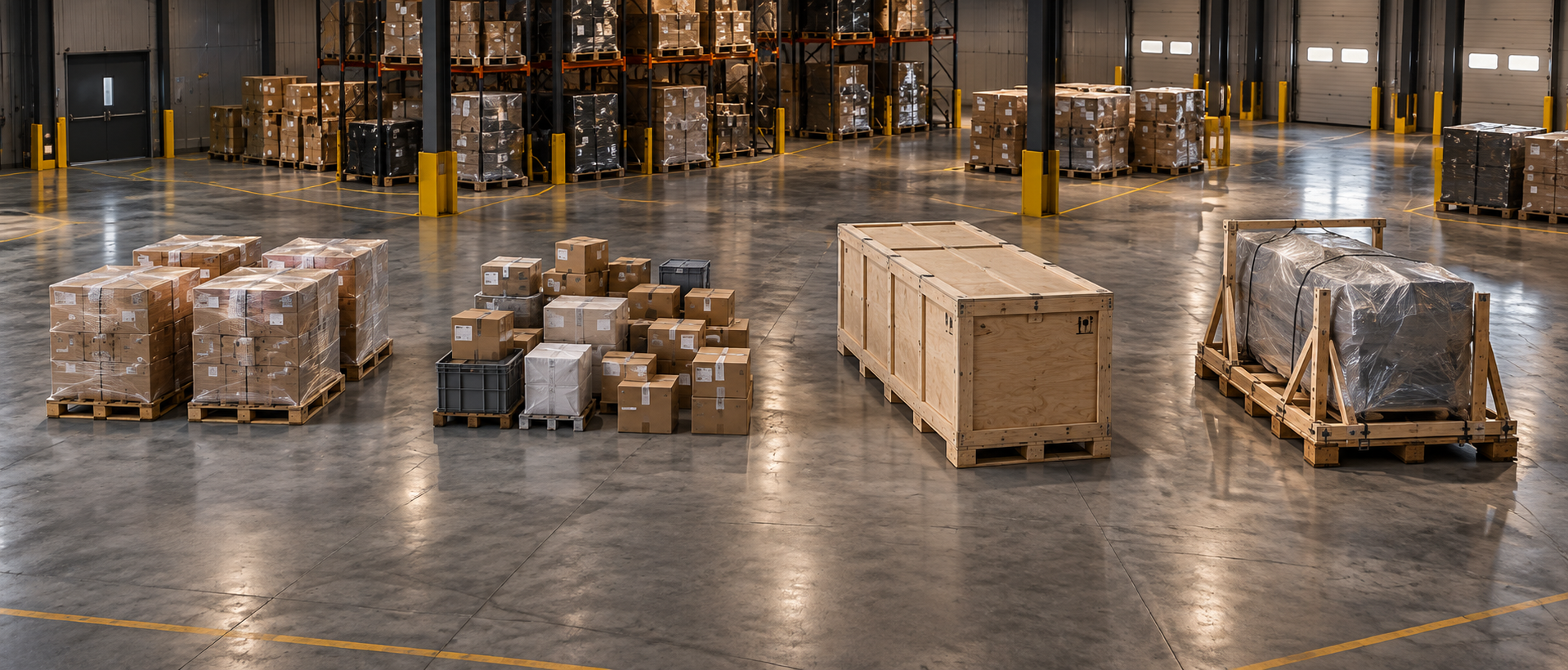
SELECTED MATERIAL PROFILESelect a profile
Choose a material profile to review the relevant space, access, and handling considerations.
SpaceAccessHandling
MATERIAL PROFILE→SPACE + ACCESS + HANDLING→FACILITY REVIEW
03 / STORAGE ENVIRONMENT
Match the material to the right environment.
Standard storage, staging, temperature-sensitive environments, controlled access, and specialized requirements depend on an appropriate facility and available provider capability.
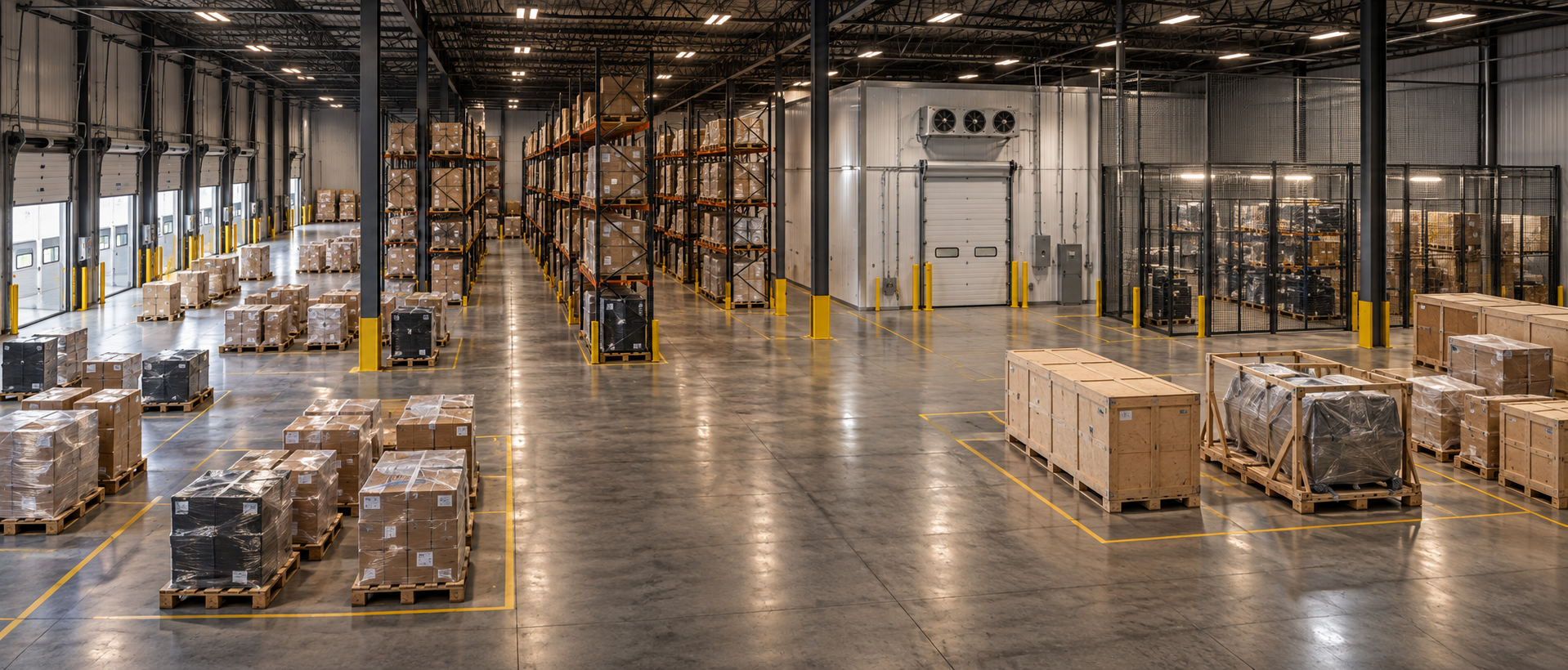
STORAGE ENVIRONMENTFacility capability review
Facility capability is reviewed against the material, storage, handling, and duration requirements.
Material profileSpace / handlingRequested duration
04 / INBOUND
Bring the material in with the receiving plan attached.
Storage begins with inbound movement and a workable facility handoff. Origin, shipment details, receiving timing, access, unloading, references, and special requirements shape the plan.
Signal can coordinate transport into the facility using an appropriate reviewed capacity or freight mode.
01ORIGINMaterial ready02INBOUND MOVEMENTTransport reviewed03FACILITY RECEIVINGWindow + access04STORAGE RECORDContext retained
MATERIALRECEIVING WINDOWACCESSHANDLING
05 / HOLD + CONTEXT
Keep the material connected while it waits.
The storage stage retains the request and program context needed for reviewed release and onward movement. It does not represent a full warehouse management or real-time inventory system.
ACTIVE HOLDSTORED
MATERIALContext connected
MATERIALContext connected
06 / RELEASE + OUTBOUND
Release into the next move with the context intact.
The storage stage ends through a reviewed release and onward movement. Release timing, authorization, receiving readiness, project conditions, or consolidation may shape that transition.
Signal can coordinate outbound freight or delivery from storage. Inbound and outbound may use different appropriate modes or providers.
QUESTIONS / SCOPE
Define the storage stage before planning around it.
Facility fit, services, duration, and capacity are reviewed against the actual request.Is inventory management included?
Signal coordinates connected storage request and movement context. Inventory systems, detailed inventory processes, and facility services are reviewed for the specific program and are not assumed.
Can storage connect to final delivery?
Yes. Where the program and available providers support it, the release plan can connect stored material to final delivery or another onward movement.
Can Signal coordinate inbound and outbound transportation?
Signal can review and coordinate transport into and out of an appropriate facility. Capacity, mode, timing, and provider fit are confirmed for the request.
What storage durations are available?
Cross-dock transfer, short-term holds, and longer requested durations may be considered. Actual duration and availability depend on the facility, material, handling, and program requirements.
Can Signal support refrigerated or temperature-sensitive storage?
Temperature-sensitive requirements can be reviewed where appropriate facility capability is available. Refrigerated capacity and conditions are not universally available or guaranteed.
Can material be cross-docked instead of stored?
Yes. A rapid transfer pattern may be reviewed when receiving and onward movement can be coordinated with little or no planned storage dwell.
Can storage include handling or staging services?
Handling, unloading, staging, and related facility services can be reviewed against the material, location, and provider capability.
How is release coordinated?
Release conditions, authorization, receiving readiness, timing, and the next movement are reviewed before the material continues. Release is not automatic.
NEXT STEP